The Dragonfly Programme
Dunman High School's Dragonfly Programme builds future-ready students through hands-on, real-world learning. Discover how the programme develops cognitive flexibility, design thinking, and digital skills across lower secondary education.
Content
At Dunman High School, our Dragonfly Programme draws inspiration from the dragonfly that exemplifies extraordinary capabilities in the natural world. With the aim to develop future-ready students who can navigate different domains and perspectives effectively, the Dragonfly Programme serves to be a starting point for students to acquire and display positive learning dispositions and skill competencies.
Symbolism of the Dragonfly
Highly Adaptive (Move in all directions and hover in place)
Excellent Vision (Compound eyes with 360-degree visibility)
Metamorphosis (Water-dwelling nymphs to aerial adults)
Ability to thrive in multiple environments (found in all continents except Antarctica)
Connection to Our Students
Cognitive Flexibility
Multi-perspective Thinking
Experiential Learning to Nurture Students’ Growth
Emphasis on Different Domains (Computing, Maker Ed and Design Thinking)
Delivery
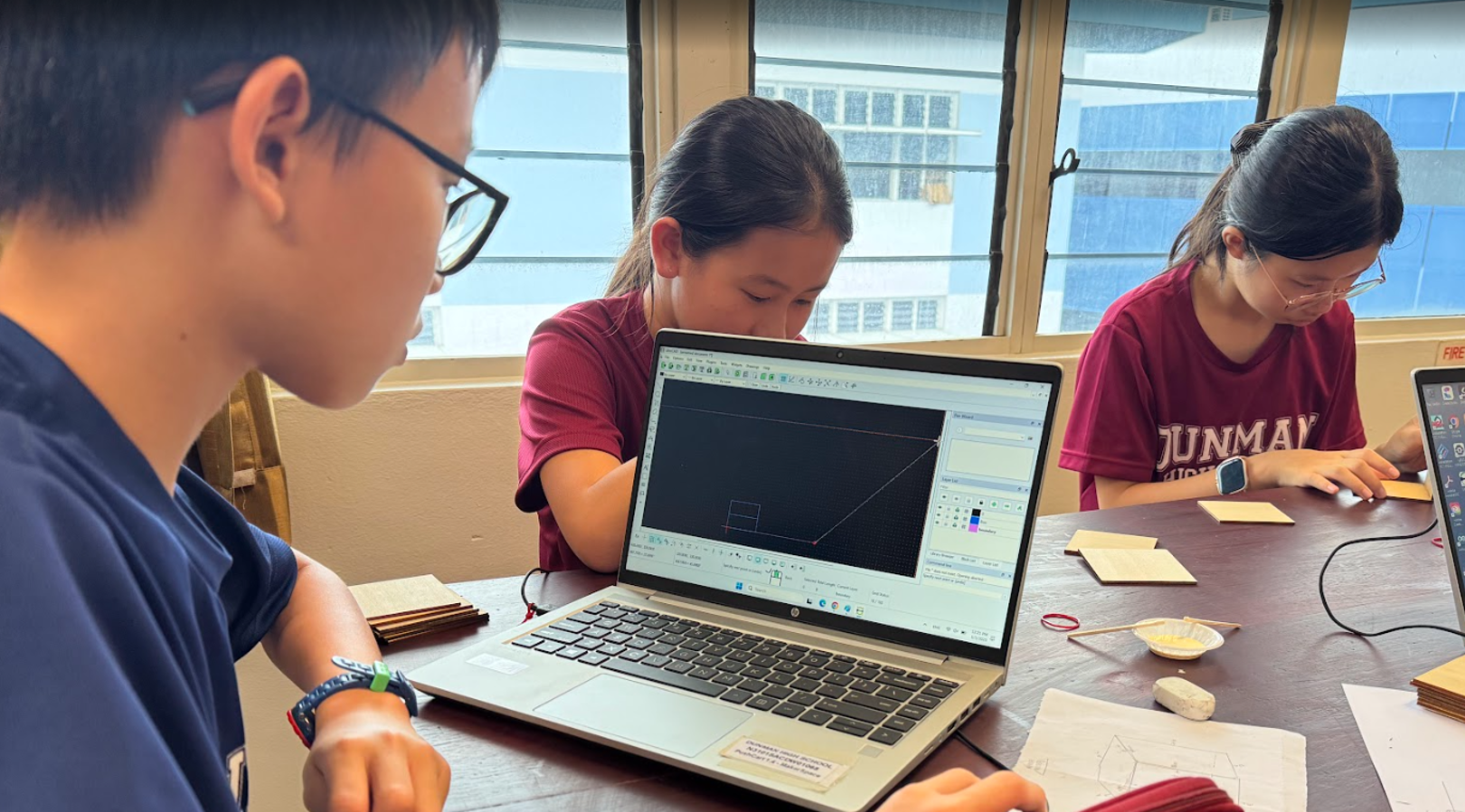
The Dragonfly Programme adopts a modular approach, spread across two years of lower secondary education, with weekly one-hour sessions in the curriculum. Learning experiences are structured around hands-on activities, design sprints, and real-world problem-solving scenarios.
Students engage in interviewing stakeholders, prototyping solutions, and creating digital applications to address genuine community needs or environmental concerns (e.g., helping the elderly maintain independence or reducing resource wastage in schools). Through these experiences, students develop both technical competencies and soft skills such as empathy, communication, and collaboration.
Assessment
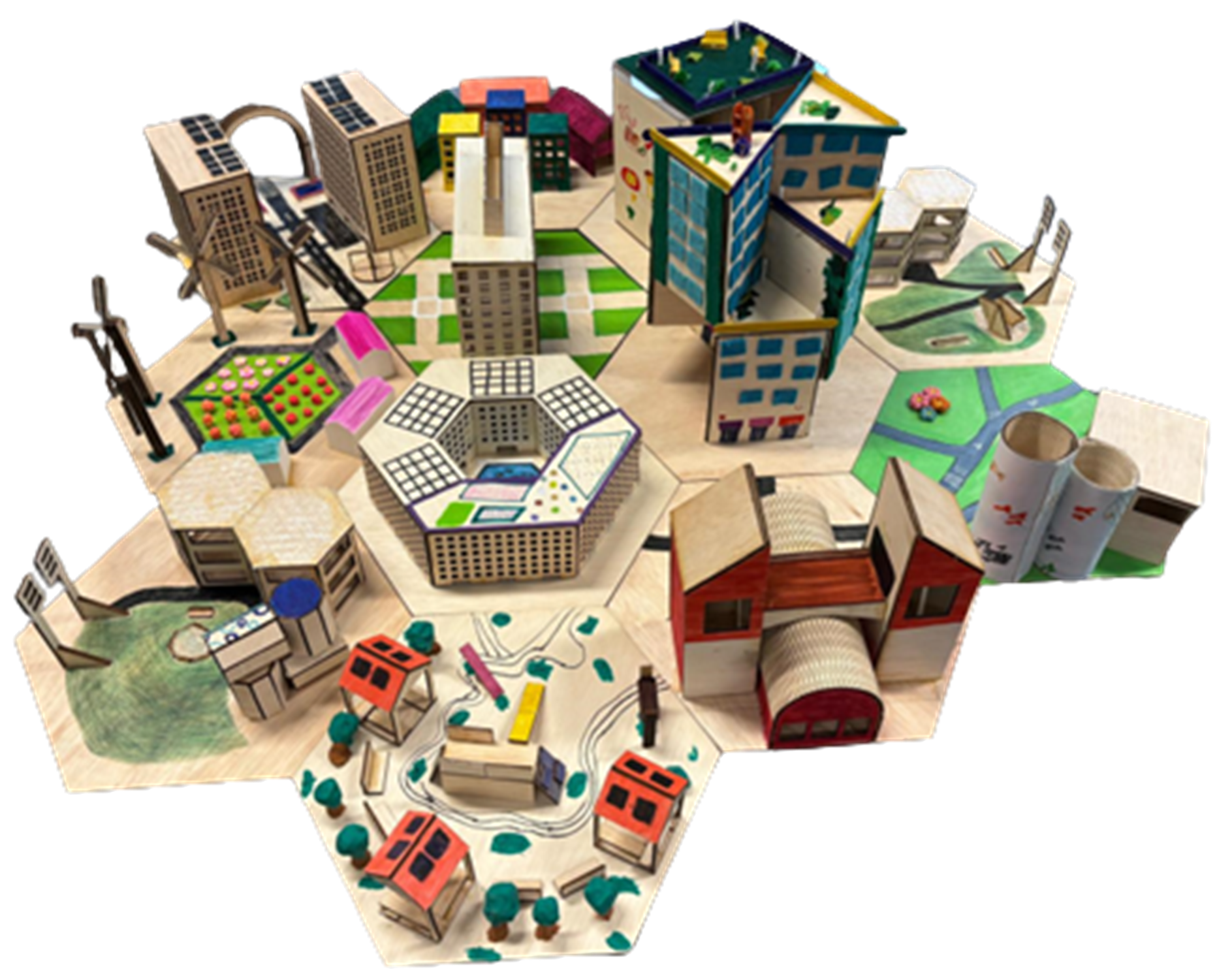
The Dragonfly Programme adopts a comprehensive assessment approach that evaluates both individual and group performance. Students demonstrate their competencies through research work, technical assignments in programming and digital fabrication, and collaborative group projects.
Assessment is holistic, incorporating both peer and teacher evaluations to provide a well-rounded view of student growth. Final projects culminate in group pitches, where students present their solutions to real-world problems, showcasing both their technical expertise and communication skills.